
The word otaku has traveled much farther than most labels tied to Japanese pop culture. Today, people use it to describe anime fans, collectors, gamers, tech enthusiasts, and anyone who seems deeply invested in a niche interest. Even so, the real meaning of otaku culture is more complicated than that casual use suggests.
To understand it properly, you have to look at both sides of the story. In Japan, the term carried awkward and sometimes negative baggage for years. Outside Japan, it was gradually reinterpreted into something closer to passionate fandom. That gap in meaning still shapes how people talk about otaku culture now.
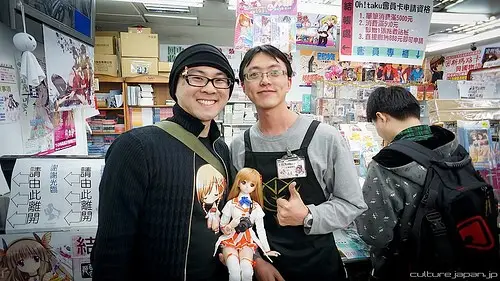
What does otaku actually mean?
Originally, otaku was a formal Japanese expression that could refer to someone's home or function as a polite way of addressing another person. In fan circles during the late 1970s and early 1980s, it started being used in a more self-aware and ironic way between people who shared strong interests in anime, manga, and science fiction.
Over time, that usage shifted. The word stopped sounding merely formal and started pointing to people with intense, highly specific interests. In Japan, this often came with a negative tone, suggesting social awkwardness, withdrawal, or obsessive behavior. Outside Japan, the word was softened and often used almost proudly, as if it simply meant dedicated fan.
That split is still important. If someone ignores it, they usually miss the real cultural context behind the term.
How otaku culture developed
Otaku culture did not appear out of nowhere. It grew alongside Japan's postwar media boom, especially once manga and anime became more layered, serialized, and capable of building long-term fandom. Stories with dense worlds, recurring characters, merchandise, and fan interpretation naturally encouraged deeper attachment.
By the 1980s, communities had formed around conventions, doujinshi, specialist shops, and shared media obsessions. What made otaku culture feel distinct was not just liking something popular. It was the depth of investment people brought to it.
Mainstream media attention in the late 1980s helped spread the word, but not in a flattering way. Sensationalism amplified the image of otaku as outsiders. Even so, the culture kept growing quietly beneath that stigma.
Why the image changed over time
The image of otaku began to shift once anime, games, and related subcultures became internationally visible. What had once looked niche or embarrassing inside Japan started generating global influence. Merchandising, conventions, exports, and online communities all helped normalize forms of fandom that would have been treated more suspiciously in earlier decades.
That is part of why the term feels so different depending on who is using it. In many global communities, otaku identity became less about isolation and more about enthusiasm, creativity, and belonging.
Otaku culture in the digital age
The internet changed everything. Forums, streaming platforms, social media, online stores, and fan archives removed the old barriers that made niche interests feel isolated. People no longer needed to live near specialty stores or events to immerse themselves in a fandom.
Modern otaku culture now overlaps with anime and manga fandom, gaming, figure collecting, VTubers, digital art, and technology-heavy hobbies. It also blends into broader internet culture much more easily than before. That is why being an otaku today often looks less like withdrawal and more like active participation in online communities.
Otaku is not exactly the same as geek or nerd
People often translate otaku into geek or nerd because the categories overlap, but they are not identical. Geek and nerd can carry implications about knowledge, profession, intelligence, or social style. Otaku is more about intensity and dedication to a specific interest.
In Japan, that is why the word can extend beyond anime. You can hear expressions like railway otaku, military otaku, or even history otaku. The pattern is the same: deep, detailed attachment to a subject.
What otaku culture looks like in Japan now
In contemporary Japan, otaku culture is much more visible than it used to be. Areas like Akihabara openly cater to fans through specialty stores, themed cafés, figures, games, and collectibles. Businesses understand that passionate fans are often loyal customers.
At the same time, social expectations never disappeared completely. Being an otaku is less shocking than it once was, but extreme obsession that interferes with work, relationships, or basic social life can still be judged harshly. The stigma softened, but it did not vanish.
If you want a closer look at how Akihabara fits into this world, it helps to see why the district became such a symbol of otaku and electronics culture in Tokyo.
How the global version differs
Outside Japan, otaku culture is usually embraced more openly. Anime conventions fill large venues, cosplay is mainstream enough to be widely recognized, and streaming platforms treat anime as a serious part of their catalog strategy. In many places, calling yourself an otaku sounds more like declaring an identity than admitting to a social flaw.
That change matters because it reshaped the emotional tone of the word. For many people, otaku now means community, self-expression, collecting, and creative participation rather than social isolation.
Final thoughts
Otaku culture is not one personality type and it is not limited to anime. It is better understood as a way of engaging deeply with an interest, often with unusual focus, emotional investment, and long-term involvement. The label changed because media, technology, and global fandom changed with it.
So when people talk about otaku culture today, they should move past the old caricature. What they are really describing is a modern form of intense enthusiasm, shaped by Japanese history but now shared far beyond Japan itself.


Community
Comments
0 comments
There are no published comments in this language yet.
Send comment