
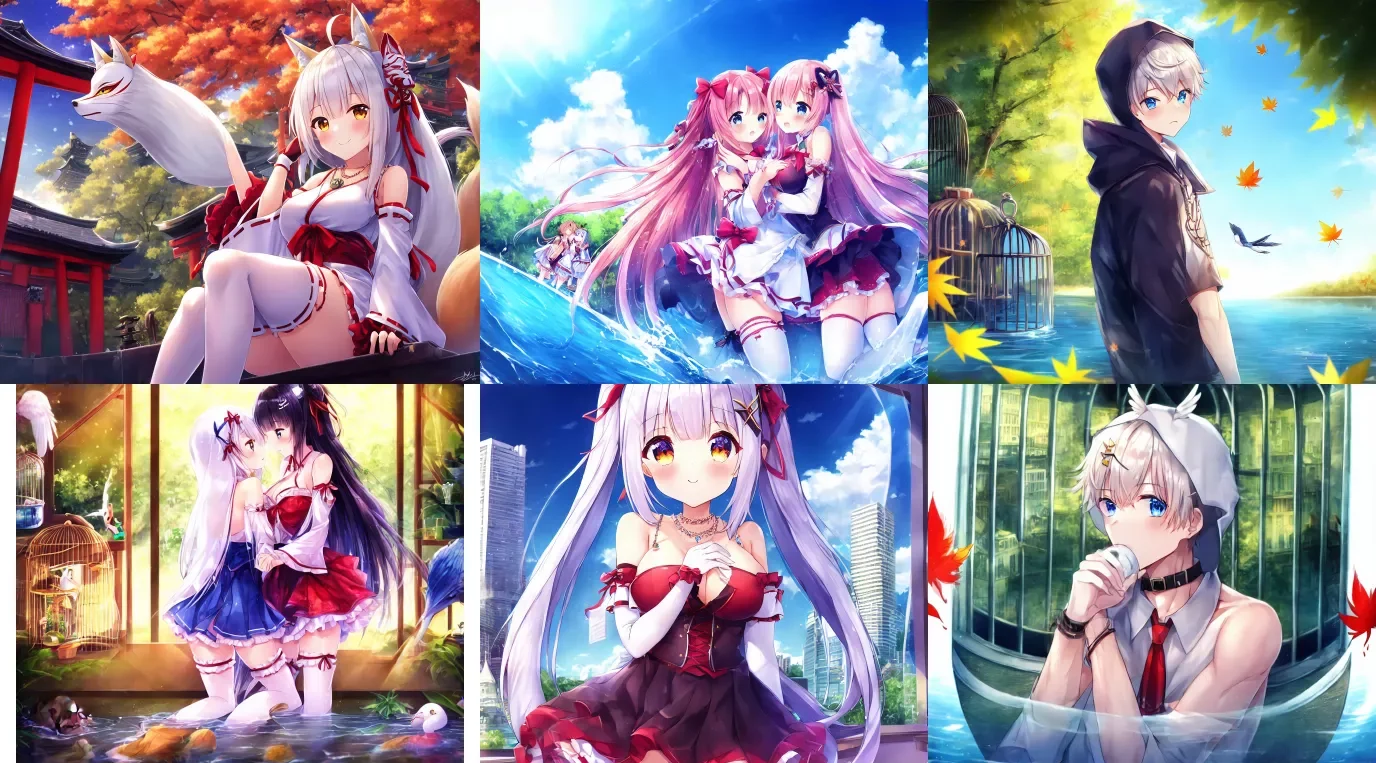
Anime and manga are closely connected, but they are not interchangeable. A lot of fans begin with one format and later discover that the same story can feel very different in the other. That difference is not just about movement versus still images. It changes pacing, atmosphere, emotional impact and even how you remember specific scenes.
That is why the comparison matters. When someone says they prefer manga or prefer anime, they are usually responding to a completely different reading or viewing experience, not simply choosing between paper and screen.
What manga does best
Manga is Japanese comic storytelling, usually published in black and white and read from right to left. It often serves as the original source material for anime, which is one reason many fans treat it as the closest version of the creator's vision.
One of manga's biggest strengths is control over pacing. Readers can slow down on a dramatic page, reread a conversation, or move quickly through action depending on mood and interest. That creates a more personal rhythm, especially in longer stories.
It also gives creators more room to build niche series, unusual structures and long-form arcs without the same production constraints animation faces. If you enjoy detail, internal monologue and a stronger sense of authorial control, manga often feels richer.
What anime adds
Anime changes the experience by adding motion, voice acting, color and music. A scene that feels quiet on the page can become much more intense once timing, soundtrack and performance enter the picture. This is one reason anime can be such a strong entry point for new fans.
It also creates a more collective experience. People can watch an opening theme together, react to the same episode each week and remember a scene because of the exact way it was performed. That shared layer matters more than many people realize.
At the same time, anime production brings limitations. Schedules, budgets and unfinished source material often force studios to condense arcs, add filler or change story structure. So anime can be more immersive, but not always more complete.
The biggest differences at a glance
| Aspect | Manga | Anime |
| Format | Printed or digital comics | Animated video |
| Color | Usually black and white | Full color |
| Pacing | Reader-controlled | Episode-controlled |
| Production | Usually creator-led | Studio adaptation |
| Story timing | Often ahead of adaptation | Usually follows later |
These differences explain why two fans can love the same series but still feel attached to different versions of it.
Adaptation changes matter a lot
One of the biggest debates in fandom is whether anime or manga gives the "real" version of a story. In many cases, manga feels more direct because it stays closer to the original creator's structure. Anime, on the other hand, passes through directors, writers, voice actors, composers and production realities before it reaches the audience.
That can lead to skipped material, reworked pacing, filler episodes, anime-original endings or stronger emotional scenes than the manga had. Sometimes the anime improves the source. Sometimes it weakens it. That is why comparisons keep happening.
Accessibility is different too
Anime usually has the easier global entry point. Streaming platforms, subtitles and dubbing make it simple for casual viewers to start a series immediately. Manga still asks a little more from new readers, whether that means getting used to reading direction or adjusting to a visual rhythm without motion or sound.
Because of that, many fans enter through anime and then move to manga when they want more detail, future chapters or material the adaptation left out.
Different fans build different habits
Manga readers often stay ahead of the plot and engage more through analysis, comparison and rereading. Anime-only fans usually move at the pace of episodes, soundtracks and weekly reactions. Fans who follow both spend a lot of time comparing how scenes changed across formats.
None of these habits are better. They just create different rhythms of attachment.
Art on the page and art on the screen are not the same thing
Manga relies on panel composition, visual symbolism and the reader's imagination to create motion and tension. Anime relies on actual movement, timing, color, lighting and sound. Because of that, some moments become legendary in print while others become unforgettable only in animation.
If you have ever seen fans debate whether a scene "hit harder" in manga or anime, this is the real reason behind it.
That also connects with broader questions about how anime differs from cartoons, since style, pacing and production shape how people read visual storytelling in general.
So which one should you choose?
If you want the most direct version of the story, deeper narrative control and flexible pacing, manga may suit you better. If you want movement, music, performance and a more immediate emotional pull, anime may be the stronger choice.
Most fans end up enjoying both for different reasons. Anime gives spectacle and atmosphere. Manga gives depth and proximity to the source.
Final thoughts
Anime and manga are not opponents. They are two different storytelling experiences that often grow from the same foundation. Once you understand how pacing, adaptation and presentation change the feeling of a story, the comparison becomes much more interesting than a simple "which is better" argument.
In the end, the best answer is usually the most obvious one: the stronger format depends on what you want from the story that day.

Community
Comments
0 comments
There are no published comments in this language yet.
Send comment