
Japan often feels unique not because it is frozen in tradition or obsessed with modernity, but because it manages to carry both at the same time. You can see that balance in its cities, laws, daily etiquette, food culture, language and even in the way people relate to technology.
That is one of the main reasons the country leaves such a strong impression on visitors. Japan changes, adapts and absorbs outside influence, but it rarely loses the sense that its customs and social values still matter.
Tradition and modern life coexist
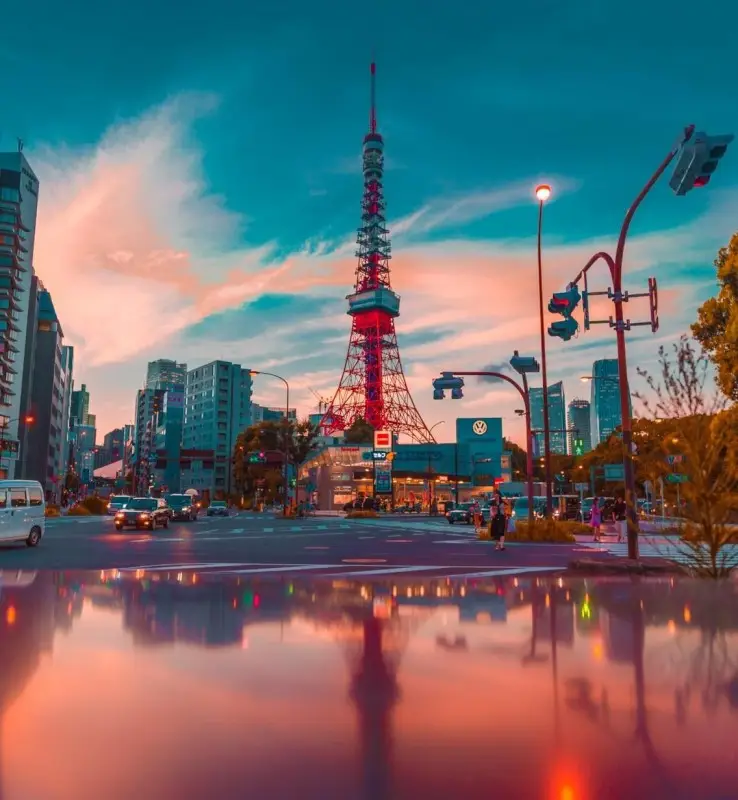
One of the clearest things that sets Japan apart is how naturally old and new live side by side. A neighborhood can have convenience stores, train systems and digital payment everywhere, while just a few streets away you find temples, shrines, seasonal festivals and long-standing local customs still woven into everyday life.
This is not just visual contrast. It affects behavior too. Respect for routine, ceremony, silence, order and shared space still shapes daily life even in highly modern environments.
Social rules still carry weight
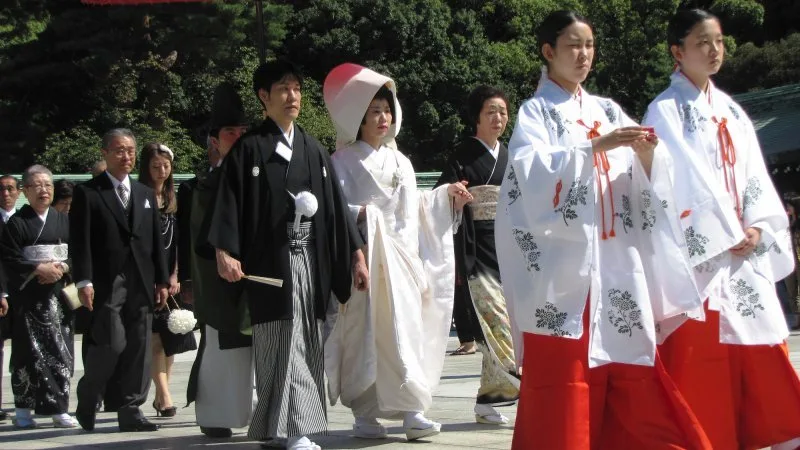
Japan is also known for taking social norms seriously. Etiquette, punctuality, public behavior and respect for collective space tend to carry more weight there than in many other countries. That does not mean society is simple or rigid in every way, but it does mean that public order is often treated as something worth protecting.
You can notice this in small things, from train behavior to waste separation, and in larger questions involving regulation and public policy. Even when Japan opens itself to global trends, it usually filters them through its own standards rather than adopting everything without resistance.
A legal system shaped by outside influence and local priorities
Japanese law reflects another part of what makes the country distinctive. Its legal system was influenced by continental European models, especially during the Meiji era, and later shaped again after World War II. Even so, the result is not a copy of Germany, France or the United States.
Japan took foreign legal frameworks and adapted them to its own institutional reality. If you want to understand part of that historical background better, it is also worth reading about the German influence on Japanese culture.
Language and writing create a different rhythm
The Japanese language stands out immediately because of its writing system. Kanji, hiragana and katakana work together in a way that feels very different from alphabet-based languages. Beyond writing itself, Japanese also carries layers of formality, nuance and social positioning that shape how people speak to each other.
That is one reason why studying Japanese often feels like studying culture at the same time. Language is not only a tool for communication there. It also reflects hierarchy, politeness, context and shared expectations.
Periods of isolation helped shape identity
Japan's long isolation during the Edo period also played an important role in shaping its cultural identity. The sakoku policy limited outside contact for more than two centuries, which allowed internal cultural forms to develop with a different pace and logic from many neighboring regions.
Of course, Japan did not remain isolated forever. Once the country reopened, it modernized rapidly. But even while absorbing foreign influence, it kept many of the cultural patterns that had already become deeply rooted.
Technology without losing everyday ritual
Japan is widely associated with robotics, electronics, infrastructure and efficient urban systems. But what makes this interesting is not technology alone. It is the way technology often fits into a society that still values ritual, seasonal awareness and deliberate routine.
That contrast becomes clearer if you look at how people in Japan navigate communication, work and social life in the present. We explored part of that in our article on how Japanese people relate in the digital age.
Nature, food and tourism all reinforce the image
For many visitors, Japan's uniqueness also comes from how much meaning is attached to nature, food and seasonality. Cherry blossom season, autumn leaves, mountain views, hot springs and local festivals all shape how people experience the country. The same goes for cuisine, where presentation, texture and seasonal balance often matter as much as flavor.
If you want one small example of how nature enters everyday beauty there, even a simple list of popular Japanese flowers reveals how strongly the seasons shape visual culture.
Final thoughts
Japan feels unique because it holds together things that often seem contradictory elsewhere: discipline and creativity, technological intensity and ritual, outside influence and internal continuity. That balance is not perfect or static, but it is one of the strongest reasons the country leaves such a lasting impression.
In the end, what makes Japan distinctive is not one single trait. It is the way history, language, law, etiquette, food, technology and seasonal culture all reinforce each other.



Community
Comments
0 comments
There are no published comments in this language yet.
Send comment