
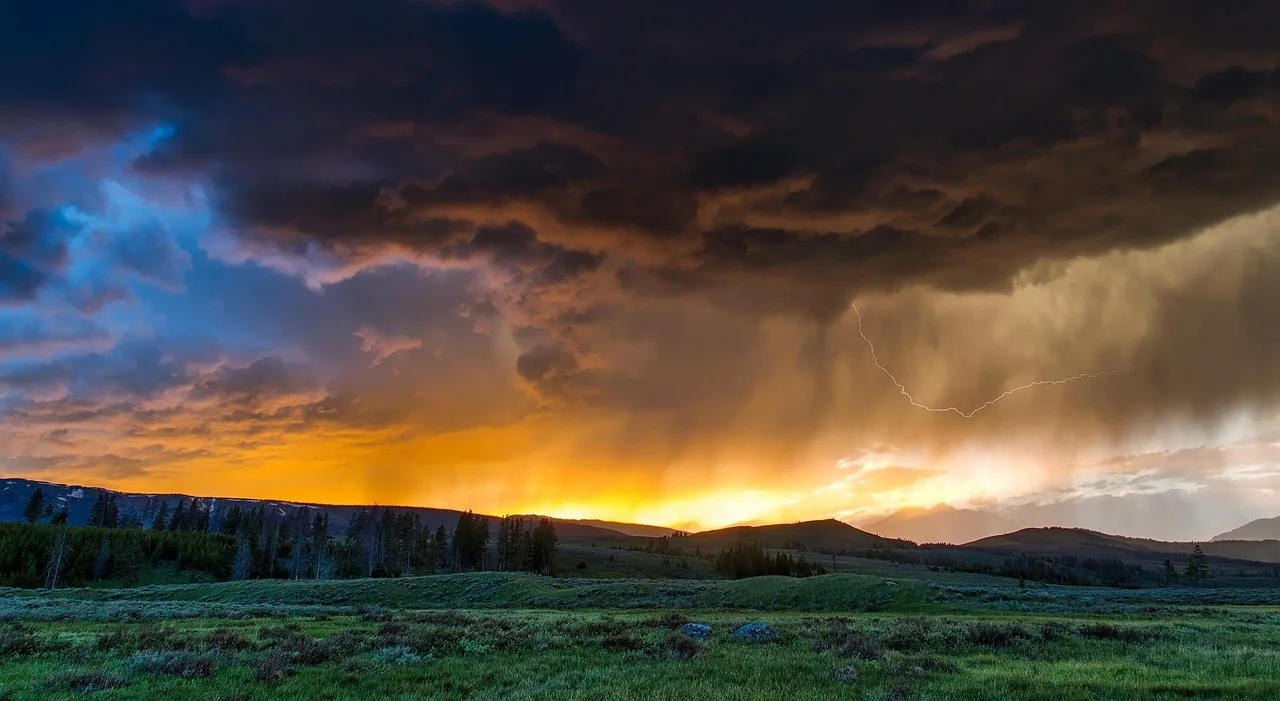
Yellowstone is one of those places that feels bigger than most first-time visitors expect. The geysers get the attention, but the real experience comes from how much variety the park packs into one trip: geothermal areas, river canyons, wildlife valleys, open roads and campgrounds that can feel quiet one moment and busy the next.
That is exactly why preparation matters. Yellowstone rewards curiosity, but it also asks for patience, planning and basic respect for the landscape. If you want to camp, spend long days outside and actually enjoy the wildlife side of the park, it helps to think ahead instead of improvising everything as you go.
Why Yellowstone stands out
Few parks combine so many different environments in one place. You can spend part of the day around Old Faithful and other geothermal features, then head toward canyon viewpoints, rivers or broader valleys where wildlife watching becomes the main event. That shift in scenery is part of what makes Yellowstone memorable.
The National Park Service also makes clear that this is not a park to treat casually. It is beautiful, but it is still a wild place with thermal hazards, fast-changing weather and large animals that need distance and respect.
Best areas to focus on
If time is limited, a few zones usually stand out. The Upper Geyser Basin is the obvious geothermal highlight, especially for people who want to see iconic features early in the trip. The Grand Canyon of the Yellowstone gives you one of the most dramatic visual shifts in the park, with major overlooks and waterfalls that feel completely different from the geothermal side.
Lamar Valley is one of the best-known wildlife areas, especially for people hoping to spot bison, elk, wolves or bears from a safe distance. Mammoth Hot Springs offers another distinct landscape, with terraces that feel almost sculptural compared to the rest of the park.
None of these places are small detours, though. Distances inside Yellowstone are part of the experience, so route planning matters more than many people expect.
Camping takes planning
Camping in Yellowstone can be excellent, but it is not something to leave until the last minute. The National Park Service notes that the park has multiple campgrounds and that camping is allowed only in designated areas. Some campgrounds are reservable, some are more limited and backcountry camping involves additional planning and permits.
If you are staying in the park, campground choice changes the whole rhythm of the trip. A better location can save hours of driving, especially when you want early wildlife viewing or quicker access to specific basins and trails.
Wildlife watching is one of the biggest draws
Yellowstone's wildlife is one of the main reasons people come, and for good reason. Bison, elk and other large animals are part of the park's identity in a way that feels immediate once you are there. Seeing them in the right conditions can easily become the highlight of the trip.
But this is also where visitors make some of their worst decisions. The National Park Service warns every year that people are injured when they approach wildlife too closely. Watching from a respectful distance is not just good behavior. It is the baseline for staying safe and avoiding harm to the animals as well.
What to pack for long days outdoors
Yellowstone days can get longer than planned, especially once driving time, trail stops and wildlife observation start stacking together. Comfortable footwear, layered clothing, sun protection, binoculars and enough food and water all matter. Even simple things become more important when you are far from the next easy stop.
Reusable drinkware is also practical on a trip like this. Something sturdy, including personalized tumblers, can make more sense than relying on disposable bottles throughout the day, especially if you are trying to stay organized and reduce waste during repeated stops.
Safety rules are not just formalities
Staying on boardwalks near geothermal areas, monitoring weather and carrying enough supplies sound like obvious advice until you are tired, distracted or trying to squeeze one more stop into the day. Yellowstone is not difficult in a dramatic expedition sense, but it does punish carelessness faster than many travelers assume.
That is why basic park rules matter. They are there because the landscape is active, the wildlife is unpredictable and conditions can change faster than people expect from the road.
Final thoughts
Yellowstone is one of the easiest parks to dream about and one of the easiest parks to underestimate. The best trips usually come from a simple balance: stay curious, plan your days realistically and treat the place with the seriousness it deserves.
If you do that, camping and wildlife excursions there can feel less rushed and much more rewarding. Yellowstone gives a lot back to visitors who take the time to move through it well.

Community
Comments
0 comments
There are no published comments in this language yet.
Send comment