
When people talk about the future of casino technology, the conversation often turns to connected devices. In practice, that means slot machines that can exchange data with other systems in real time, respond more quickly to maintenance issues and adapt more easily to digital payment and player-account ecosystems. That is the basic promise behind IoT-enabled slot machines.
The concept sounds futuristic, but most of the real value is actually operational. A smart gaming device is not interesting only because it is connected. It is interesting because that connection can change how the machine is maintained, how promotions are delivered and how player activity is managed across a larger system.
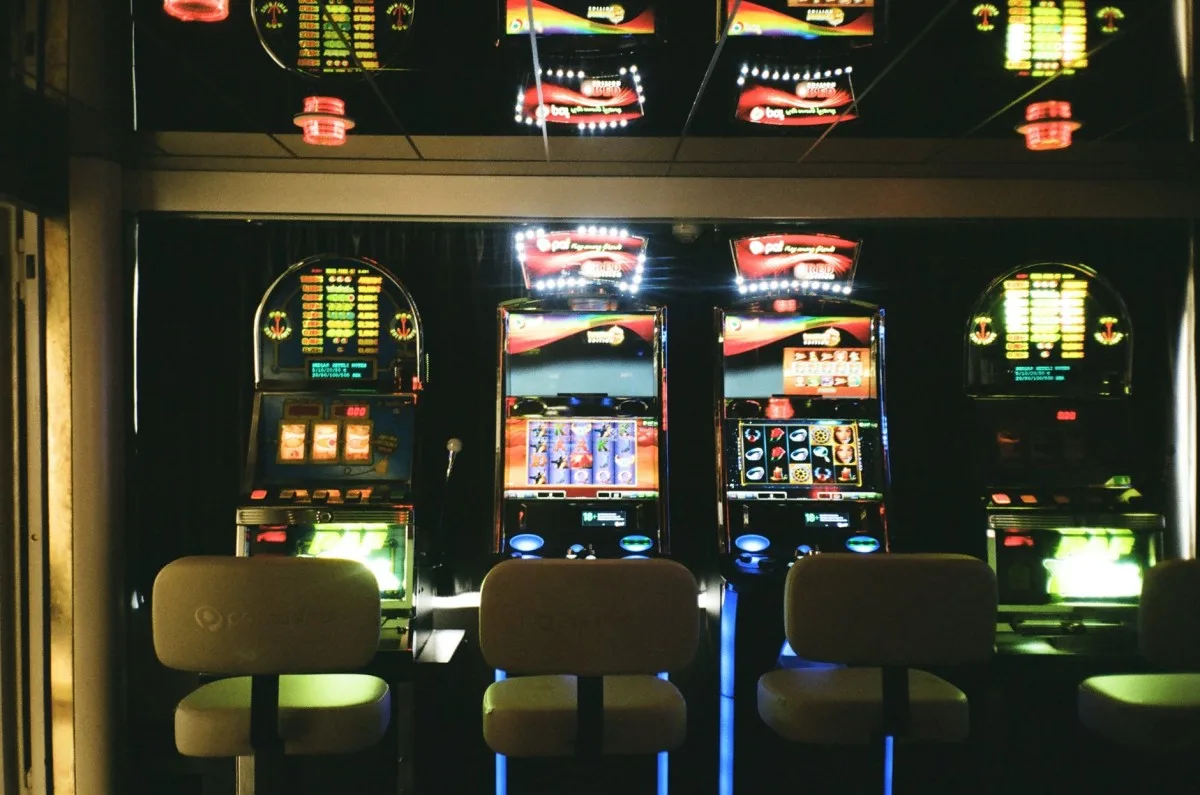
What IoT means in this context
IoT, or the Internet of Things, refers to devices that can send and receive data through connected networks. In a casino setting, that can mean machines that report technical status, connect with loyalty systems, support cashless payments or react to centralized management tools.
In other words, the shift is not only about the player touching a screen. It is about the machine becoming part of a broader digital environment.
More personalization for players
One of the most discussed advantages is personalization. Connected systems can theoretically adjust promotions, themes, loyalty rewards or interface recommendations based on a player's account history or preferences. That does not necessarily mean the core game becomes completely unique for each person, but it does mean the surrounding experience can become more targeted.
This is the same logic many digital platforms already use. The difference is that, in a casino environment, it would be tied to physical machines as well as player accounts and mobile access.
Operational benefits for casinos
For casino operators, the strongest argument is usually efficiency. Machines that report faults early can reduce downtime. Systems that collect usage data can help staff understand which areas are busy, which machines receive more attention and when maintenance should happen before a visible problem appears.
That kind of monitoring may not sound glamorous, but it is often where connected systems make the biggest practical difference.
Cashless play and digital ecosystems
Another likely direction is deeper integration with digital wallets, mobile accounts and loyalty programs. Instead of relying only on cash or physical tickets, connected machines can fit more naturally into account-based play. That can make payments, reward tracking and session management more seamless for users already comfortable with digital systems.
It also helps explain why smart gaming is often discussed together with broader casino apps and account ecosystems. The machine no longer stands alone. It becomes one part of a larger platform.
Security and fraud monitoring
Supporters of IoT in gaming often point to security as another advantage. Real-time monitoring can make it easier to detect tampering, identify unusual machine behavior or flag suspicious activity for staff review. Some proposals also imagine stronger identity controls and more secure transaction records around the machine itself.
Of course, connectivity also creates new responsibilities. The more systems communicate with each other, the more important cybersecurity and data protection become.
Responsible play tools
Connected machines could also support more visible responsible gaming tools. Spending limits, session reminders and account-based alerts are easier to build when the machine is part of a shared digital system instead of a fully isolated device.
That does not solve gambling harm by itself, but it can make self-management tools easier to apply in real time.
What still needs caution
It is easy to describe smart gaming as if every connected feature automatically improves the player experience. In reality, that depends on execution, regulation, privacy safeguards and whether the added systems create clarity or just more complexity.
Technology can improve operations, but it can also increase tracking and data collection. That is why the future of connected slot machines is not only a technical question. It is also a question of oversight, transparency and trust.
Final thoughts
IoT-enabled slot machines make the most sense when viewed as part of a wider shift toward connected casino systems. The biggest changes are likely to happen in maintenance, player accounts, payment systems, monitoring and personalization rather than in some dramatic reinvention of the slot machine itself.
So the future of smart gaming may be less about flashy science fiction and more about quieter changes happening behind the scenes. And in many ways, those are the changes that end up mattering most.

Community
Comments
0 comments
There are no published comments in this language yet.
Send comment