

Japan is known for social phenomena that spark curiosity and controversy. One such phenomenon is Enjo-kōsai (援助交際), translated as “assisted relationship.” This practice generally involves girls between the ages of 13 and 17 or married women who accept money or luxury gifts in exchange for companionship with older men. Although it often does not include sexual activity, Enjo-kōsai is the subject of intense debates about morality, materialism, and female independence.
What is Enjo-kōsai?
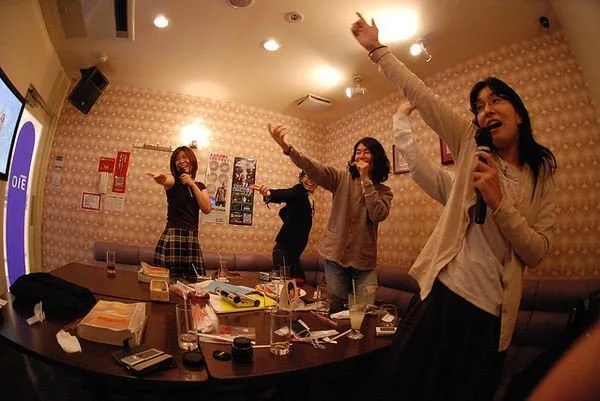
The term Enjo-kōsai, often abbreviated as enkō, refers to an arrangement in which girls or women offer their companionship in exchange for material benefits. Common activities include dinners, trips to karaoke, outings to the cinema, or even simple walks holding hands. Although sex is not mandatory or expected in many cases, the line between companionship and prostitution is thin, leading to confusion and stigmas associated with the practice.
Different forms of participation
- Pure companionship: Girls or women simply accompany clients in social activities, without intimate physical contact.
- Limited exchange: Some engage in light affectionate interactions, such as holding hands or flirting.
- Extreme cases: Although rare, there are situations where sexual favors are exchanged, leading to debate about the relationship between Enjo-kōsai and child prostitution.
A study conducted by the Asian Women’s Fund in 1998 revealed that less than 10% of the girls interviewed had participated in Enjo-kōsai. However, 90% of them expressed discomfort with the idea of engaging in material exchanges for sexual favors.
Social and cultural factors behind Enjo-kōsai
Materialism and the pursuit of status
Japan is a highly consumerist society, where luxury brands symbolize status and social acceptance. Many young women, influenced by social pressure, seek expensive products such as designer bags, cutting-edge smartphones, or exclusive makeup. To achieve this, they turn to Enjo-kōsai as a means of support, especially if they do not have access to their own income.
Female independence or loss of values?
Although critics argue that Enjo-kōsai reflects moral degradation and an excessive focus on materialism, some girls see the practice as a form of empowerment. For them, deciding on the use of their bodies and earning money without relying on family or traditional employment is an act of independence.
On the other hand, traditional Japanese society values qualities such as modesty and submission in women. The practice of Enjo-kōsai is seen as a deviation from these virtues, raising concerns about its impact on the upbringing of future wives and mothers in Japan.

Enjo-kōsai in the media: Representations and controversies
The Japanese media portrays Enjo-kōsai predominantly negatively. Dramas, novels, and TV shows often depict young women desperate for money who engage in the practice, only to face severe emotional or social consequences.
Stigmas and dangers explored in fiction
- Redemption stories: Some narratives show girls abandoning Enjo-kōsai after interventions from friends or family.
- Exposure of risks: Others emphasize the dangers, such as abuse, blackmail, or loss of reputation.
- Veiled prostitution: Films and reports often associate Enjo-kōsai with child prostitution, increasing the stigma surrounding participants.
Although these representations are based on real cases, experts argue that they reinforce stereotypes and do not capture the complexity of the practice.

Legislation and legal limits
Prostitution has been illegal in Japan since the 1950s, but the legal definition is limited to explicit sexual contact between genitalia. Therefore, Enjo-kōsai escapes legislation when it does not involve direct sex.
Protection of minors
In the 1990s, special laws were created to combat the exploitation of minors, but Enjo-kōsai still operates in a gray area. The age of consent in Japan varies from 13 to 17 years, depending on the province, making it difficult to legally prosecute those involved.
Legal risks for clients
If a client explicitly pays for sex with a minor, he may be charged with child exploitation. However, the indirect format of the transactions makes it difficult to prove criminal intent, complicating law enforcement.

Social impacts and final reflections
Enjo-kōsai reflects the tensions between traditional values and modern pressures in Japan. For many, it is a symptom of a materialistic society that prioritizes material goods over genuine human connections. For others, it is a form of adaptation to the financial and social demands of a constantly changing world.
The practice continues to divide opinions, but it is undeniable that it exposes the inequalities and challenges faced by young women in Japan. Awareness initiatives, support programs, and cultural changes are essential to address the underlying causes of Enjo-kōsai, helping these young women find safer and more sustainable alternatives to achieve their independence.

Community
Comments
0 comments
There are no published comments in this language yet.
Send comment