

Have you noticed that when answering a phone or cell phone, the Japanese say moshi moshi? Does this expression really mean hello? In this article, we will understand the origin of the expression moshi moshi, its real meaning, where and when to use it.
We also recommend reading:
What does Moshi Moshi mean?
According to the Japanese dictionary, the word moshi moshi [もしもし] means hello on the phone or hi, and it also means excuse me! when calling someone… Like when a person is daydreaming and you try to get their attention by saying hi, hello, is anyone there?
Also read: How to translate and learn Japanese using Jisho?
It is believed that the word originated from the verb mousu [申す] which means to say, to call, to speak, and to do. Categorized as kenjougo, a humble form. Throughout the article, you will understand more about the meaning of this verb and how to use it.
It is also believed that moshi moshi has roots in the expression tomoushimasu [と申します] which means “I call myself…” or “my name is…”, this makes a lot of sense, but both have origins from the verb mousu [申す].
The verb mousu [申す] was widely used during the Edo period when speaking to someone of higher status. Initially, the words used were moushiagemasu [申し上げます], moushimasu [申します] where both mean “I will say (speak)”.
Eventually, it was shortened to moushi [申し] and was used to get someone’s attention, like a “hey!” or “I’m going to speak!“. Later it was shortened even further, in Japanese moshi, but only when the word is used twice [もしもし].
申し上げます > 申します > 申す > 申し
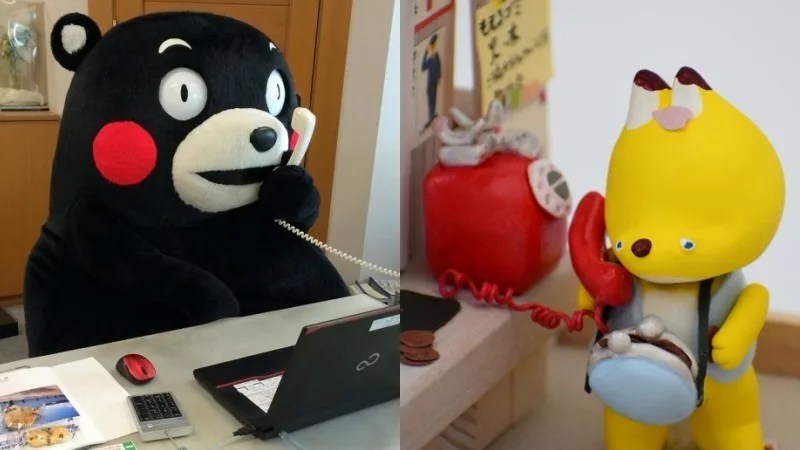
Why Moshi Moshi on the phone?
This word and expression seem a bit long for those used to saying hi, hello, or hey. Why do the Japanese use it? Why repeat it twice? There are different stories that explain this custom.
Many do not realize, but moshi moshi is said most of the time by the one calling, usually the person answering just says hai [はい]. Both can say moshi moshi when they want to get attention, are not listening, or to check if the person is on the line.
It is believed that at the time when the telephone system was being implemented in Japan, during tests, they would say “Mousu Mousu”, which literally means “speak speak” as if testing the equipment by saying, testing 1,2,3…

Kitsune – Foxes cannot say Moshi Moshi
A legend says that the foxes yokai kitsune that usually transform into humans cannot say moshi twice. According to folklore, foxes cannot fully pronounce the words, giving rise to the custom of saying moshi twice.
Also read: Kitsune – Foxes in Japanese Culture
Another story is that ghosts cannot say moshi twice, so this expression was used twice to scare the ghosts or yokai that answered the phone. If someone did not say moshi twice, they were probably a ghost.
Sagittarius from Fairy Tail has the habit of ending his sentences with moshi moshi. He probably uses this ending to get attention, just like dattebayo from Naruto. Who doesn’t remember Link from the Zelda cartoon saying “Excuse me Princess?”? The word moshi moshi can also mean excuse me, it’s as if Sagittarius is saying: “excuse me! I’m talking...”
Also read: Dattebayo – The true meaning of Naruto’s speech

The History of the Telephone in Japan
On December 16, 1890, telephones were introduced for the first time in Japan. Today, this date is known as Telephone Day denwa no hi [電話の日]. At that time, only wealthy people could afford a telephone. Being wealthy, they were used to speaking ill of others.
In the past, oioi [おいおい] was said when answering the phone. The person on the other end would respond with Hai, you gozaimasu [はい、良うございます] which means something like “yes, I am ready“, meaning that the person receiving the call is ready to talk.
This oioi ended up annoying the operators, which led to the custom changing to moushimasu which later became mousu mousu and finally moshi moshi started to be used by female operators, and in the end was chosen as the general greeting.
The person who made the change was Shigenori Katougi (加藤木重教). He was an electrician from the Ministry of Engineering and began working for Anaka Seisakusho (田中製作所). He traveled to the United States in 1889 to study their telephone system.
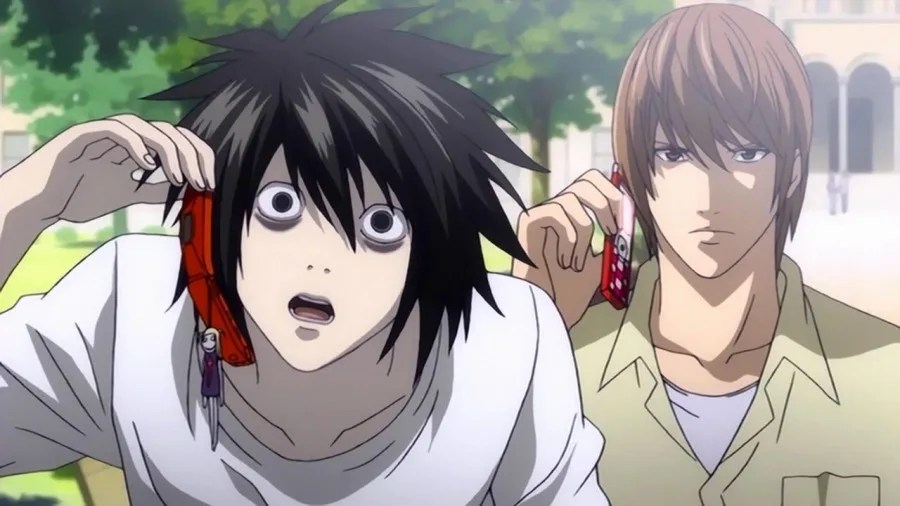
Phone Phrases in Japanese
Below are some phrases in Japanese to learn how to talk on the phone:
田中さんのお宅ですか?
Tanaka-san no otaku desu ka?
Is this [name]’s residence?
もしもし山田医院です。
Moshimoshi Yamada iindesu.
Hello, this is Dr. Yamada’s office.
もしもし、こちらはマイクです。
Moshimoshi, kochira wa maikudesu.
Hello, this is Mike.
はい,そうです
Hai, sou desu.
Yes, it is.
ちょっとお待ちください.
Chotto Omachi kudasai.
One moment, please.
どなたですか?
Donata desu ka?
Who is calling?
失礼ですが、どちらさまですか?
Shitsurei desu ga, dochira sama desu ka?
Who is speaking?
何かお伝えしましょうか。
Nanika otsutae shimashou ka?
Can I take a message?
伝言をお願いします.
Dengon o onegaishimasu
Please leave a message
もうすぐ戻ると思います.
Mousugu modoru to omoimasu.
He/She will be back soon
また電話しますとお伝えください.
Mata denwa shimasu to otsutae kudasai.
Tell him/her that I will call back later
間違えました.
Sumimasen, Machigaemashita.
Sorry, I dialed the wrong number
すみません, ただいま外出しております.
Sumimasen, Tadaima gaishutsu shite orimasu
Sorry, he is not here at the moment
Denwa Bango wa nan ban desu ka?
電話番号は何番ですか.
What is your phone number?
いいえ,違います.
Iie chigaimasu.
No, you dialed the wrong number
話中です.
Hanashi-chuu desu.
It’s just busy.

Community
Comments
0 comments
There are no published comments in this language yet.
Send comment