

All countries end up being victims of myths and stereotypes. In this article, we will debunk 10 myths and stereotypes about Japan and its culture.
It is worth remembering the importance of researching a particular subject before forming an idea. Unfortunately, most of these myths and stereotypes are fueled by a lack of information, confusion, and fake news.
Myth 1 – Women are submissive
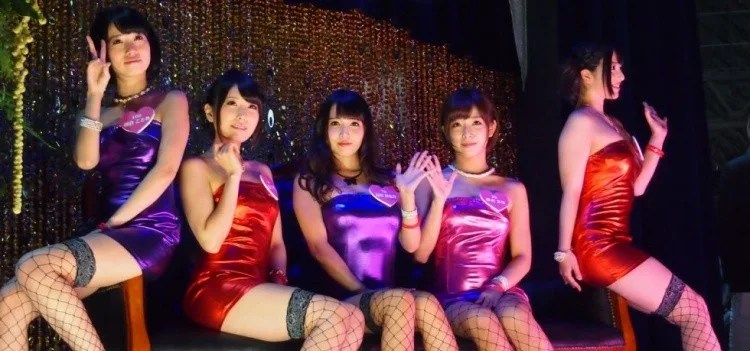
Sometimes Japanese films convey a wrong idea about women. Many believe that Japanese women are submissive and do everything we want, like fetching a beer, rubbing our backs in the bath, or always smiling.
This is an outdated view of geishas and hostesses, where they need to be submissive to clients. Of course, many women are humble and kind anywhere in the world, but in Japan, there are many assertive and stressed women who wear the pants in the family. In reality, it is part of Japanese culture for the woman to manage the family finances.
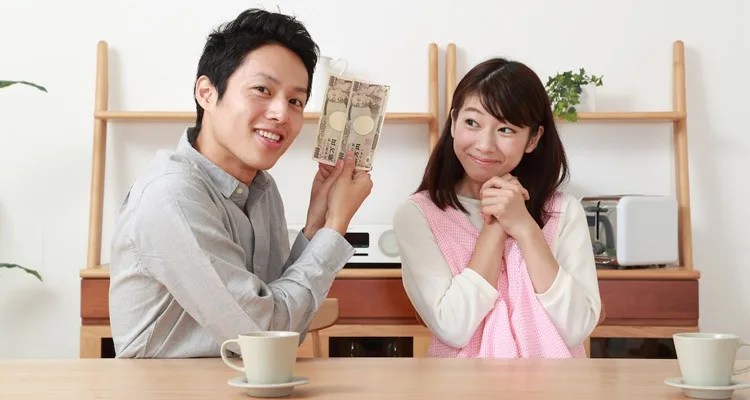
Myth 2 – Japan is strange
It’s hard to strongly disagree with this myth; the definition of what is strange varies from person to person. However, many believe that Japan is strange due to various bizarre TV shows, and some end up thinking that all of Japan is like that.
However, these bizarre videos that people watch are from comedy and humor shows, where the goal is to be bizarre. Japan is a capitalist and ancient country, which leads to the creation of many different things that are unimaginable in our culture.
Myth 3 – Japan wears masks because of pollution
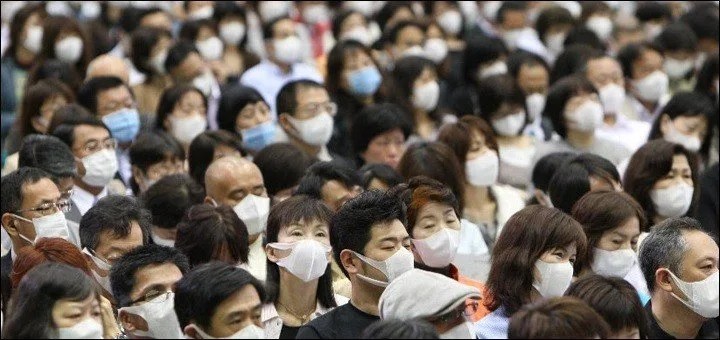
Japan wears masks for various reasons, and pollution is not one of them! Japanese people wear masks because of the flu, to avoid spreading germs to others.
Sometimes some wear masks during certain periods due to hay fever (pollen allergy). Masks are also worn because it is considered rude to cough and sneeze in public.
Myth 4 – Japanese people work too much
There are various cases of death due to overwork in Japan. Japan also has a reputation for working many overtime hours, but that does not mean that all Japanese people work too much.
In reality, Japanese people are becoming increasingly lazy. The number of people who work excessively in Japan is much lower than people imagine.

Myth 5 – Everyone watches anime, cosplay is everywhere
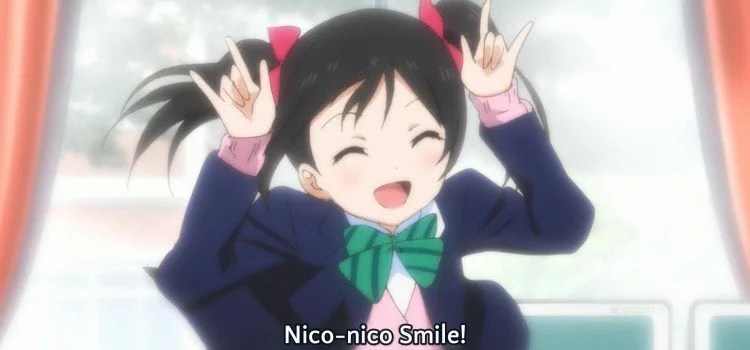
Even though ordinary people of all ages watch anime, Otaku are a minority in Japan. Anime in Japan is just a TV show; there are people who have watched one or two anime in a long time, as well as people who have never watched an anime in their lives.
Cosplay is not found as easily as one might think. I spent a week in Akihabara and did not see any cosplay besides Maid and Idol.
Myth 6 – Japan is all about technology
Japan uses its technology to make people’s lives easier, but that does not mean that the whole country is technological. There are no robots serving in every store, and not everything there is automatic.
In reality, there are more rural areas without technology than touchscreen displays on the streets, as some might imagine. Japanese people do not care much about technology, to the point that they use flip phones.

Myth 7 – Japanese people are very polite
There is an idea that all Japanese people are polite, always bowing, smiling, and willing to do anything to please others. But this is largely a myth. In fact, this respect and politeness is often due to social construction and not personal will.
It is part of Japanese culture to respect others; in Japan, you are either polite or labeled as an idiot. In Japan, you can indeed find ignorant, rude people who curse and do not care about others.
If you are interested in seeing other generalizations that people make or stereotypes, read the articles below:

Community
Comments
0 comments
There are no published comments in this language yet.
Send comment