

Japanese cuisine is so rich that it even has cutting techniques with their respective names. The cutting techniques can affect even the flavor and texture, in addition to improving the appearance of the food, transforming cooking into art.
The Japanese cutting techniques are called yasai no kiri kata [野菜の切り方] which literally means ways of cutting vegetables. Each type of cut has its own specific name, there are dozens that we will briefly mention in the article.
Japanese Cutting Techniques – Video
If you appreciate Japanese cuisine and want to venture into the kitchen, learning some cutting techniques can be quite useful! Take a look at each of them below:
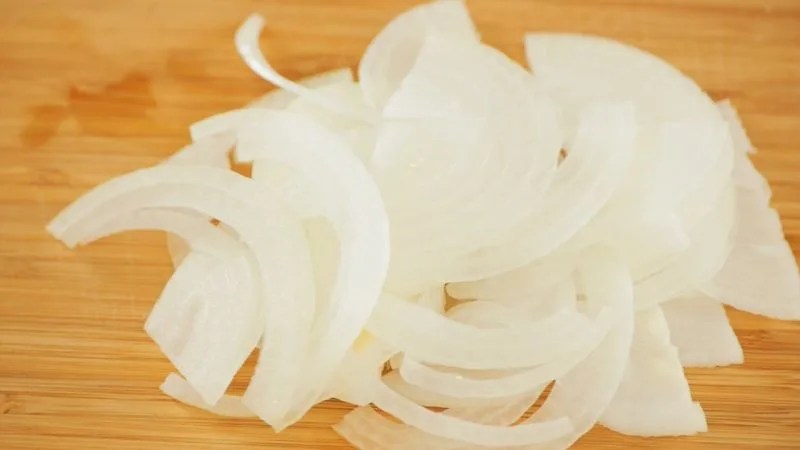
USUGIRI [薄切り] – Thin Slices
Usugiri consists of thin slices. Suitable for salads, pickles, frying, stews. Used in vegetables like cucumber, ginger, onion, eggplant, green onion, etc.
NANAMEGIRI [斜め切り] – Diagonal Cut
Nanamegiri involves cutting against the grain diagonally into oval slices. Used in vegetables like green onion, cucumber, carrot, etc.
We also have Naname Usugiri [斜め薄切り] which are thin diagonal slices. Suitable for salads. Used in vegetables like green onion, celery, etc.

WAGIRI [輪切り] – Round Cut
Description: round cut, with thickness varying according to the recipe. Suitable for dishes cooked over low heat. Used in vegetables like cucumber, daikon, tomato, eggplant, carrot, lotus root, etc.
RANGIRI [乱切り] – Random Cut
Description: cut in a random shape, but of the same size. Helps to cook more quickly and evenly. Suitable for stews. Used in vegetables like carrot, cucumber, daikon, eggplant, lotus root, burdock, etc.
KOGUCHIGIRI [小口切り] – Thin Rounds
Description: cut into thin rounds. The thickness varies according to the recipe, but is around 2 to 3 mm. Used in vegetables like green onion, cucumber, etc.
KUSHIGATAGIRI [くし形切り] – Comb Cut
Description: cut spherical vegetables into 6 or 8 slices. Used in vegetables like cabbage, onion, tomato, lemon, etc.
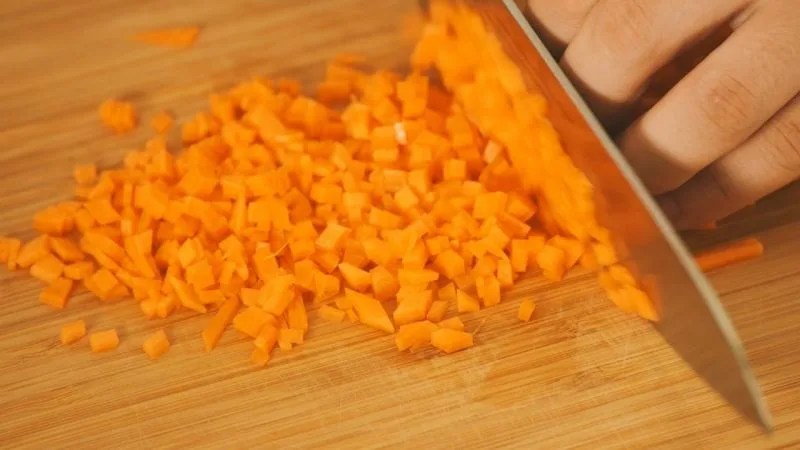
MIJINGIRI [みじん切り] – Uniform Chopped
Description: chop into small pieces uniformly. Used in vegetables like onion, carrot, ginger, garlic, green onion, etc.
HANGETSUGIRI [半月切り] – Half Moon
Description: “half moon” cut – cut into semi-circles. Suitable for soups and stews. Used in vegetables like cucumber, daikon, tomato, eggplant, carrot, lotus root, etc.
ICHOGIRI [いちょう切り] – Ginkgo Leaf
Description: “ginkgo leaf” cut. Suitable for soups and stews. Used in vegetables like daikon, carrot, etc.
HYOSHIGIRI [拍子木切り] – Stick Cut
Description: cut into sticks [5 cm x 1 cm x 1 cm]. Suitable for frying and stews. Used in vegetables like daikon, carrot, etc.
SAINOMEGIRI [さいの目切り] – Cube Cut
Description: cut into cubes – generally, the thickness is 1 cm. Suitable for soups and salads. Used in vegetables like daikon, carrot, cucumber, etc.
HOSOGHIRI [細切り] – Thin Strips
Description: very thin strips [4-5 cm x 3 mm]. Suitable for stews and salads. Used in vegetables like cucumber, burdock, potato, daikon, carrot, green onion, bell pepper, etc.
SENGIRI [千切り] – Julienne Cut
Description: finely cut, in Julienne style. Used in vegetables like cabbage, ginger, daikon, carrot, etc.
ZAKUGIRI [ザク切り] – Coarse Cut
Description: coarse cut, usually 3 to 4 cm wide, and not uniform. Suitable for frying and nabemono style stews. Used in vegetables like cabbage, leafy greens, tomato, green onion, etc.
BUTSUGIRI [ぶつ切り] – Rustic Chopped
Description: cut into pieces of approximately 3 cm. Suitable for stews. Used in vegetables like green onion, celery, etc.
TANZAKUGIRI [短冊切り] – Paper Strips Cut
Description: “paper strips” cut. Suitable for salads and soups. Used in vegetables like daikon, carrot, konnyaku, etc.
SASAGAKI [ささがき] – Pencil Sharpener
Description: scrape the tip of the vegetable, as if sharpening a pencil with a knife. Suitable for salads and soups. Used in vegetables like burdock, carrot, etc.
SOGIGIRI [そぎ切り] – Angled Cut
Description: slice into angled pieces [45-degree angle]. Helps to cook more quickly and evenly. Used in vegetables like mushrooms, cabbage, Swiss chard, etc.
HANA RENKON [花レンコン] – Lotus Root
Description: shape the lotus root into a flower and slice it. Used in vegetables like lotus root.
KAZARIKIRI [飾り切り] – Decorative Cut
Description: decorative cut. Some examples are carrots shaped like flowers [hanagiri] made by hand or with special molds and shiitake mushrooms with flower-shaped incisions on their surface. Suitable for decoration. Used in vegetables like shiitake mushroom, carrot, lotus root, etc.

Community
Comments
0 comments
There are no published comments in this language yet.
Send comment