

If you dream of transforming a space with Japanese essence — whether a compact apartment or a spacious house — hiring an interior designer in Japan can be a unique experience. This guide unveils everything from costs to the secrets of renowned professionals, helping you navigate a market that blends ancient philosophy and avant-garde.
Japanese Design: Much More Than Minimalism
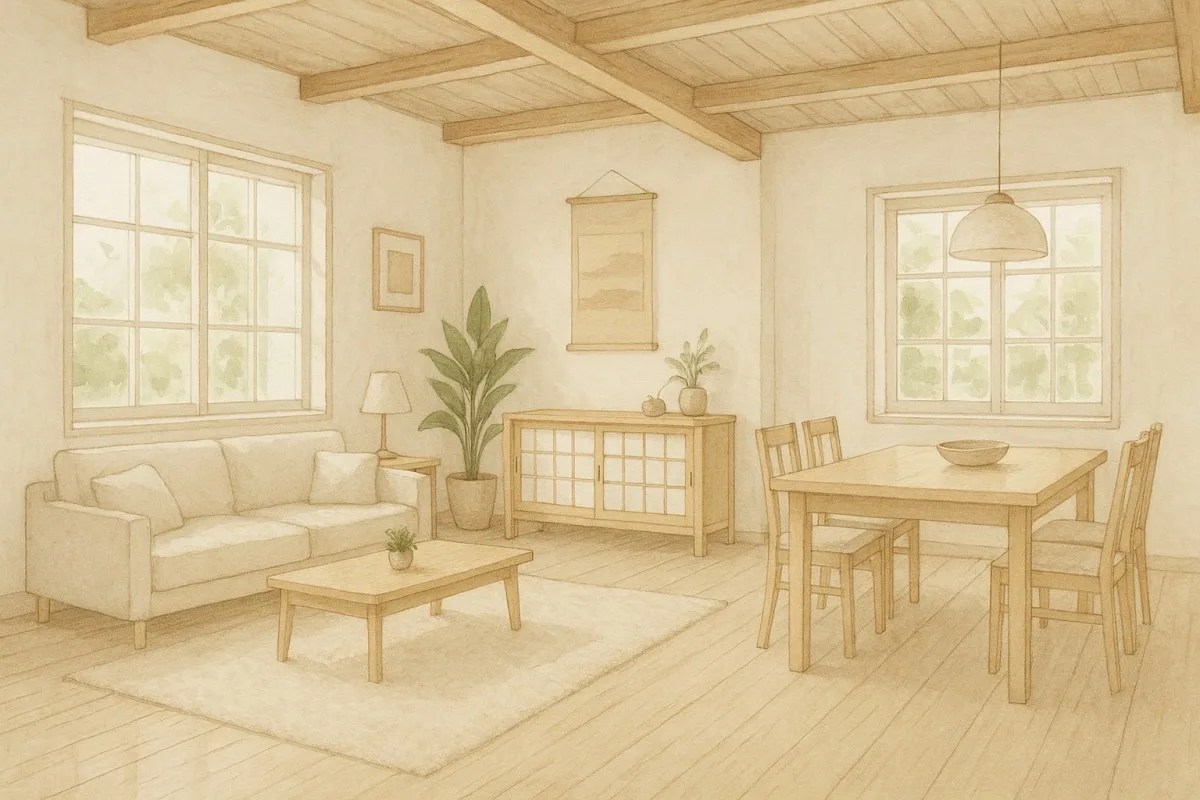
Interior design in Japan is a dance between functionality and poetry. Materials like raw wood, bamboo, and washi paper are not just aesthetic choices but reflections of a deep connection with nature. Imagine entering a room where light filtered through shoji doors creates shadows that change throughout the day — it is the materialization of wabi-sabi, the art of finding beauty in imperfection and the passage of time.
Here, each low furniture piece or tatami has a purpose: to promote harmony and flexibility. Multifunctional spaces are the norm, adapting to both a formal dinner and a tea ceremony. And if you are worried that the style won’t fit your daily life, take a deep breath: local designers are masters at balancing tradition and modern needs, such as home offices or spaces for children.
Where to Find the Ideal Professional?
If you are in Japan or plan to hire a professional from there, know that the options are diverse, from renowned studios to specialized freelancers. Major cities concentrate the best offices, but the market is also accessible outside urban centers.
Award-Winning Studios
In Tokyo, the studios Nendo and Wonderwall are synonymous with innovation. The former, led by Oki Sato, is famous for solutions that surprise — like partitions that transform into works of art. The latter, led by Masamichi Katayama, excels in commercial design, creating stores that are true sensory experiences (think of the flagships of Uniqlo!).
Freelancers
Platforms like Lancers attract independent talents specialized in niches: from tiny house apartments in Osaka to ryokans (traditional inns) in Kyoto. One tip: many accept video calls in English, ideal for those outside the country.
Renovations with Design Included
Companies like Sekisui House offer complete packages, from demolition to the selection of the last decorative detail. Perfect for those who want to avoid headaches but demand Japanese quality — known for impeccable plumbing and world-class sound insulation.
How Much Does It Cost to Hire an Interior Designer in Japan?
Prices can vary significantly, depending on the complexity of the project and the reputation of the professional. However, to give you a clear idea, here are the most common price ranges:
- Express Consultation (1h): ¥10,000 to ¥30,000. Ideal for quick questions, such as “How to integrate a kotatsu (heated table) into the living room without losing style?”.
- Complete Project (50m²): Starting from ¥500,000. Includes floor plans, material selection, and even rendered 3D — yes, they take every centimeter seriously!
- Renovation with Premium Design: From ¥3,000,000 to ¥10,000,000. Prices that may scare, but justified by techniques like shinkabe (earthquake-proof outer walls) and hinoki cypress wood, resistant to moisture.

Famous Japanese Designers
Japan is home to some of the most celebrated interior designers and architects worldwide. Shigeru Ban, a Pritzker Prize winner, revolutionized the use of materials like cardboard in social projects — imagine a living room with sustainable structures that defy logic.
Kengo Kuma, architect of the Tokyo Olympic Stadium, brings the forest indoors with yakisugi wood (charred) cladding. And for fans of Instagrammable decor, the studio Nendo is a must-visit: their “floating” shelves or lamps that mimic raindrops are pure Instagram gold.

Checklist Before Signing the Contract
- Hybrid Style or 100% Japanese? Some designers propose bold fusions, like an industrial kitchen with a keyaki wood island.
- Fluent English or Translator? Request portfolios with projects for foreigners — many include adaptations like tall cabinets (since traditional ones are low).
- Sacred Deadlines: In Japan, delays are rare. Agree on realistic dates and expect methodical meetings, complete with meishi (business cards) exchanged ceremoniously.

Why Is the Experience Worth It?
Hiring a Japanese designer is diving into a culture that sees the home as an extension of the soul. Don’t expect just beautiful furniture; be prepared for detailed questionnaires about your habits (“Do you prefer to have breakfast looking at the garden?”) and suggestions that range from ideal solar orientation to the type of fusuma (decorative door) that reduces stress.
And if the budget tightens, remember: even a visit to Muji can yield insights. Their modular shelves and earthy color palettes capture the essence of local design — simple yet transformative.
Even if you opt for a freelancer, ask to include a traditional element, like a tokonoma (art niche) or andon lighting. These are details that transform any environment into a piece of Japan, where every object tells a story. 🏯

Community
Comments
0 comments
There are no published comments in this language yet.
Send comment