

When we think of Japanese cuisine, dishes like sushi, ramen, and tempura may come to mind. However, there is an essential ingredient that connects many of these flavors: dashi. This light, yet incredibly flavorful broth is the base of various Japanese recipes and is responsible for that special taste known as umami. Let’s learn more about it and how to prepare dashi authentically!
What is Dashi?
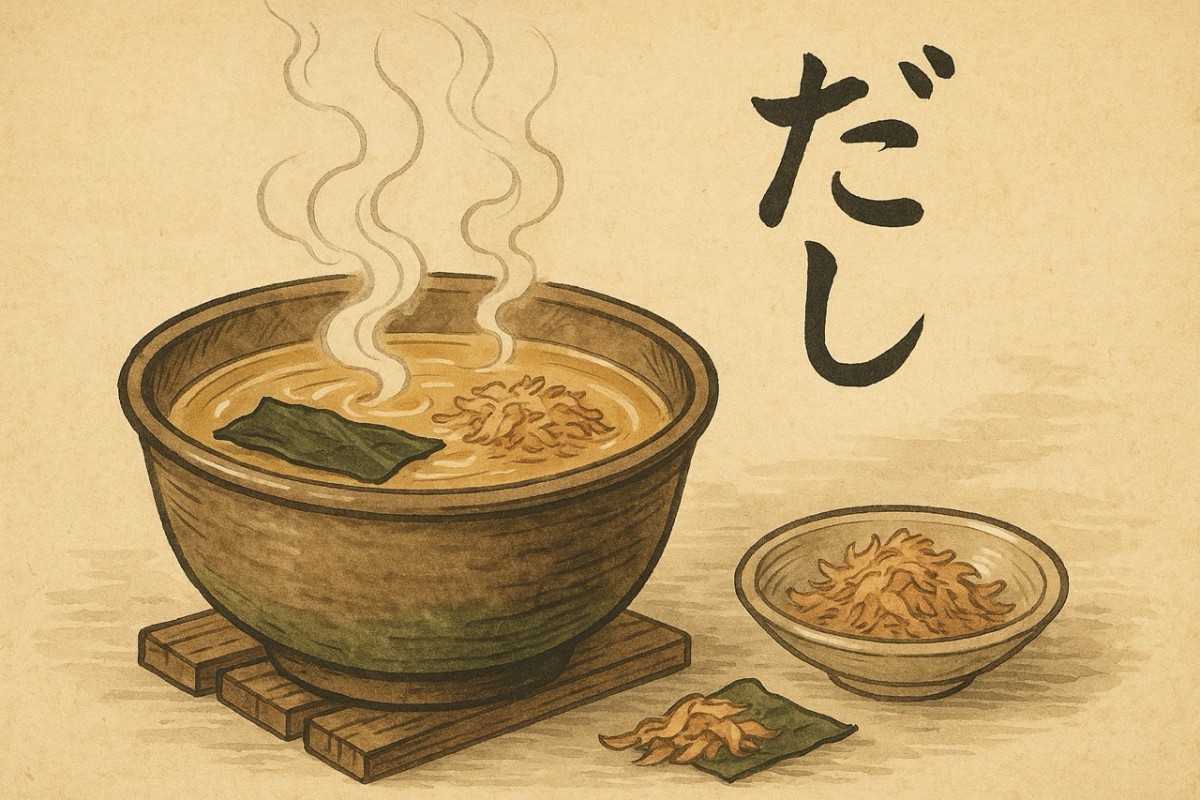
Dashi is a basic broth in Japanese cuisine, used in dishes such as soups, sauces, and stews. Its simplicity hides the depth of flavor it provides to recipes. It is fundamental for creating umami, the fifth taste that gives richness and complexity to dishes.
There are different types of dashi, depending on the ingredients used. The most common are:
- Kombu Dashi: made with kombu seaweed.
- Katsuobushi Dashi: prepared with dried bonito flakes (katsuobushi).
- Niboshi Dashi: uses dried sardines.
- Shiitake Dashi: made with dried shiitake mushrooms.
Each type has a unique profile, but they all have something in common: the balanced flavor that enhances other ingredients.
Why is Dashi Essential?
If you have ever tasted authentic miso soup or deeply flavored ramen, you have likely experienced dashi. It acts as a flavor enhancer, similar to vegetable or meat broth in Western cuisine. However, while traditional Western broths are rich and heavy, dashi is light and translucent.
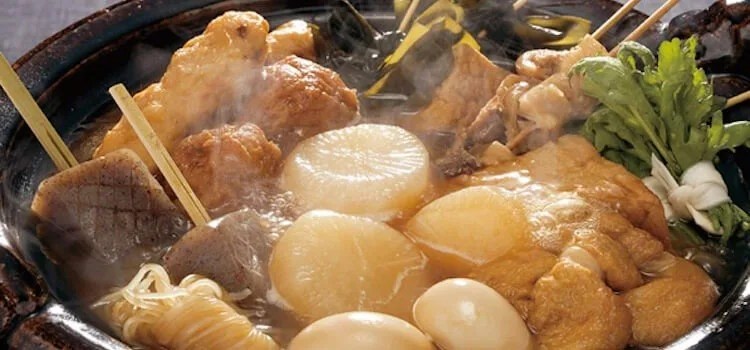
This lightness allows it to complement ingredients rather than overpower them. Therefore, it is used not only in soups but also in dishes like oden, nimono (stews), and even in rice seasoning.
Traditional Dashi Recipe
Let’s learn how to make dashi the traditional way, using kombu and katsuobushi.
Ingredients
- 10 g of kombu (dried seaweed)
- 20 g of katsuobushi (dried bonito flakes)
- 1 liter of water
Preparation Method
- Preparation of Kombu:
- Lightly wipe the kombu with a damp cloth to remove excess salt.
- Do not wash or scrub too much, as it may lose flavor.
- Initial Heating:
- Place the kombu in a pot with 1 liter of cold water.
- Heat on low until just before boiling (about 10 minutes).
- Remove the kombu before the water boils to avoid bitterness.
- Add Katsuobushi:
- After removing the kombu, increase the heat to boil.
- Turn off the heat and add the katsuobushi.
- Let it steep for about 5 minutes, until the flakes sink.
- Straining:
- Strain the broth through a fine cloth or sieve.
- The dashi is ready for use!
Extra Tip:
If you want a stronger dashi, reuse the kombu and katsuobushi to make a secondary dashi. Just add more water and repeat the process, resulting in a less concentrated broth, ideal for light dishes.

How to Use Dashi in Daily Life
Now that you have the dashi ready, it can be used in various ways:
- Miso Soup: Mix the dashi with miso paste and tofu.
- Broth for Ramen: Use as a base for soups with noodles.
- Sauces and Seasonings: Add to broths for dishes like oden or to season rice.
- Nabemono (Stews): Use as a base for sukiyaki or shabu-shabu.
Storage
Dashi can be stored in the refrigerator for up to 3 days. For longer periods, freeze in individual portions.
Cultural Curiosities
Dashi is one of the elements that make Japanese cuisine so special. In the past, its preparation involved traditional techniques passed down from generation to generation. Today, despite the convenience of instant versions, many chefs and home cooks still prefer to prepare fresh dashi to maintain the authenticity of the flavor.
The use of kombu in Japan dates back to the 8th century, when the inhabitants of the region of Hokkaido began to explore the culinary qualities of this seaweed. Katsuobushi, considered an intangible cultural heritage by UNESCO, has undergone a long process of refinement, becoming essential in modern Japanese cuisine.
Try it and Feel the Umami!
Making dashi at home may seem a bit laborious at first, but the reward is in the incomparable flavor it provides. After trying it, it will be hard to go back to the ready-made versions. How about testing this recipe and transforming your next soup into a truly Japanese experience?
If you liked the recipe or have questions about other traditional dishes, leave a comment!

Community
Comments
0 comments
There are no published comments in this language yet.
Send comment