

The Japanese have various ways of having breakfast; many follow the Western way of eating a small bread or something light, as it is quick and cheap. But traditionally, the Japanese breakfast is a large nutritious menu, similar to lunch. In Japan, breakfast is called “Asagohan”.
The word Asagohan [朝ご飯] does not mean breakfast as in Brazil. Asagohan literally means “morning rice”. This name makes perfect sense as it is common to eat rice for breakfast in Japan.
The foods that make up the traditional Japanese breakfast are practically the same as those for lunch, called Hirugohan [昼ご飯], and dinner, called Bangohan [晩ご飯]. In this article, we will see a little about the types of Japanese breakfast.
Asagohan – The Traditional Japanese Breakfast
A small traditional breakfast consists of steamed rice, miso soup, and various dishes such as grilled fish, tamagoyaki (omelet), tsukemono (pickles), Japanese-style pickles (like takuan or umeboshi), nori (dried seaweed), natto, and others.
The drinks usually include milk, coffee, green tea, English tea, and orange juice. You can try a traditional Japanese breakfast at most Japanese restaurants that are open in the morning.
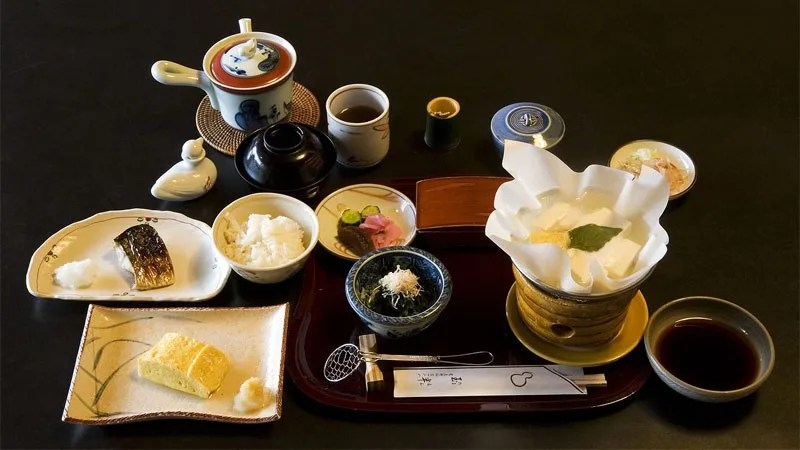
Other ingredients that usually accompany a traditional Japanese breakfast are:
- Fried pork with ginger.
- Vegetable soup;
- Sunomono – Sweet and sour cucumber salad;
- Oyakodon – Chicken and eggs over rice, with miso soup;
- Sardines.
- Okayu – Rice porridge;
- Bacon, sausage, and other meats.
- Some toast;
- Fried chicken with curry.
- Corn soup;
- Fried tofu and miso soup wakame.
- Ozoni – soup with mochi;
- Pickled peppers.
- Butter-cooked cabbage.
- Tanuki udon;
Some of the mentioned ingredients can be easily mixed into a personalized breakfast.
If you want to try a traditional Japanese breakfast, you can stay at a traditional inn like a Ryokan. They serve a complete traditional breakfast. Some Western hotels tend to serve a mix of Western and traditional breakfast.
Also read: Ryokan – The Charming Japanese Inns
Breakfast on the Streets of Japan
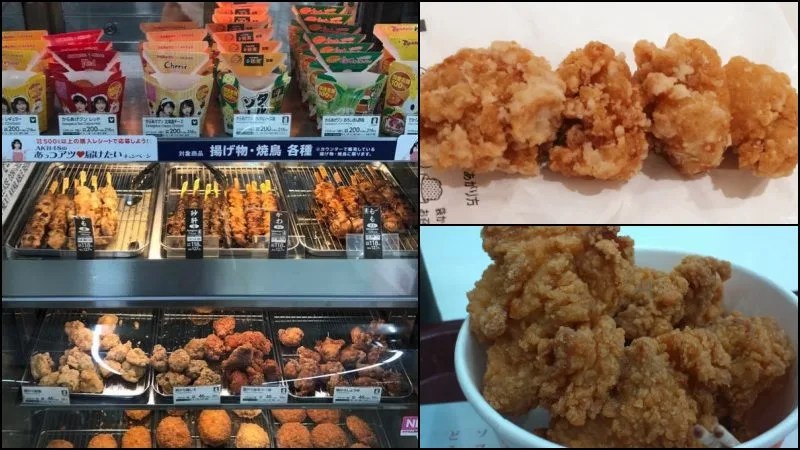
In convenience stores, you can buy various snacks for your breakfast, such as: Nikuman, Onigiri, Karaage, and Oden. Not to mention industrialized products like different snacks, Western breads, and even the unusual yakisoba bread.
On the way to work, you can stop at a vending machine and grab a hot or cold drink. I usually got a chocolate with milk and coffee; there were also some smoothies and energy drinks good for that boost.
Also see: Jihanki Shokudo – Automatic Machine Restaurant
The most consumed bread in Japan is called Shokupan, similar to sandwich bread. The bakeries in Japan are amazing; some offer a buffet, an option to eat on-site, a “self-service” where you choose whatever you want, and countless varieties of breads and sweets.
We recommend reading: Bakeries in Japan and Japanese Breads
Generally, some restaurants adapt their hours to serve meals from their menu. The typical meals of the Japanese can be listed as follows:
- Breakfast: miso soup, steamed rice, natto, and seaweed salad;
- Lunch: soba noodles in dashi-based broth, grilled tuna, cabbage salad, and cooked vegetables;
- Dinner: udon noodle soup, fish cakes, edamame, and pickled vegetables;
Western Breakfast in Japan
Just like in the West, Japanese children often eat cereal with milk, hot chocolate, and fruit juice. Adult Japanese (especially younger ones) often have toast with butter or jam, eggs, and slices of vegetables, and they usually drink coffee or juices.
Other ingredients that usually accompany a Japanese breakfast in the Western style are:
- Fruits;
- Convenience store bread;
- Yogurt;
- Bread with cheese and cream.
- Omelet with spinach;
- Onigiri;
When I stayed at the home of Japanese people, they made a big feast for breakfast all at once. There were fruits, they fried some sausages, there were various breads, ham, mozzarella, yogurt, juice, tea, and coffee. Miso soup was also not missing.
We recommend reading: Misoshiro – The Delicious Japanese Soy Soup

Japanese people who usually have a Western or personalized breakfast do not have to go through the trouble of making it; they go straight to a konbini or restaurant, which makes the choices endless.
If a Japanese person wants to eat a Cup Noodle, a snack, a Nikuman, or a rice ball (very common), they just need to buy it. If a Japanese person wants, they can eat something different every day.
And you, who live in Japan? What do you usually have for breakfast?

Community
Comments
0 comments
There are no published comments in this language yet.
Send comment