

In this article, we will answer various questions about animes, the famous Japanese animations that are popular all over the world. We will see curiosities, origins, facts, genres, rankings, absolutely everything about Japanese cartoons in this article.
The Japanese animation industry is a joy for many, generating a lot of money in the market. Do you really know anime? How are they produced? Why are they popular and addictive? Why are they criticized by some?
What does Anime mean?
Anime [アニメ] is the Japanese word derived from the English “animation.” The Japanese use the word anime to refer to any cartoon, whether Western or Japanese. Westerners, on the other hand, generally use the word anime to refer specifically to Japanese cartoons.
For Westerners, animes have specific characteristics in their traits, a more adult theme, and their peculiarities. Many Westerners do not call some Japanese cartoons anime, simply due to the absence of these characteristics, as in the case of Sazae-san.
Read also: Sazae-san – The longest anime in history
Anime is an abbreviated and adapted word for Japanese; without the abbreviation, the correct term would be animeeshon [アニメーション]. The use of abbreviated words in formal and written language is common in the Japanese language, so continue using anime.

What is the origin of animes?
Japanese animations and cartoons emerged in the early 19th century, but only in 1960 did the style of anime we know today appear. Many Japanese artists during World War II were influenced by Americans.
Osamu Tezuka, with his famous work Astro Boy [鉄腕アトム] created this identity. Astro Boy was the first manga (Japanese comic) to receive an animated series. By 1967, Japan had already created “The Princess and the Knight,” “Phantom,” and “Speed Racer.”
At that time, Japanese comics dominated Japan, so it was only a matter of time before various films and serialized animations emerged. During this period, animes had specific characteristics such as giant robots.
We also recommend reading:
What was the first anime made?
Many believe that the first anime made was Astro Boy, but that is not entirely true. Hakujaden (The Legend of the White Serpent) premiered on October 22, 1958, as the first production released in commercial circulation by Toei Animation.
This was indeed the first anime specifically made for television, aired by the TBS network with production from the Otogi studio. Previously, some short animations and Japanese animated films had been released, without the characteristics of anime.
The first Japanese animation is called Katsudō Shashin, featuring a boy sailor, released in 1907. Japan had several animations before Hakujaden, such as Momotaro, Chikara to Onna, and The Battle of the Monkey and the Crab.
Read also: List of Animes by Studios + Year of Release
How are animes created?
Japan is a country that appreciates reading, so one of the most profitable markets is the comics known as manga, which have their own style and traits, adapted for TV, thus creating animes.
In addition to mangas, there are books known as Light Novels, and games called Visual Novels (full of dialogues like a manga), which are also adapted for TV following similar traits.
Japan is famous for creating thousands of animes or Japanese cartoons; there are over 400 animation studios in the country. More than 350 animations are released each year, but this is just a fraction of the works created in Japan.
There are thousands of works that have never had the chance to get an animated adaptation; for this reason, the market for Japanese animations is endless. Not to mention that it is not just mangas, games, and books that get animations.
We also recommend reading:
- Visual Novel – Why play? What is the secret of success?
- Light Novel – Meaning, definition, and curiosities

How are animes produced and released?
Animes are released in seasons: Winter (January), Spring (April), Summer (July), and Autumn (October). Each season usually has more than 50 weekly broadcasts, and animes typically have 12/13 episodes called “1-cour.”
Some have 24 episodes, being called “2-cour,” or receive two seasons of 12 episodes with an interval called “split cour.” Movies, OVAs (specials not aired on TV), specials, and others are also released.
Japanese cartoons have a market similar to that of series, movies, soap operas, and others. Not having a specific target audience, animes are primarily released for teenagers and adults. While children’s animations have a different style, as in the case of Doraemon.

What are the Genres of Animes?
Those who think that animes are just for kids are very mistaken. Animes are divided into genres with a specific audience. Some bring nonsensical stories, while others present more exciting stories than any dramatic or romantic movie you have seen.
There are thousands of animes that make us tear up or reflect on our conduct or the life we lead. See the genres of animes below or in our article about types of animes.
Read also: Genres and Types of Animes – Complete list with recommendations
Shounen – (Young Boys) – These are animations created for a young male audience aged between 14 and 21, with more fantastical content, featuring fights, action, and comedy. Examples: One Piece and Naruto.
Shoujo – (Young Girls) – These are animations created with a focus on girls, most of which are romances, dramas, school life, musicals, and lots of comedy. This genre has attracted not only girls; many of these works are watched by men and are quite famous, as in the case of Kimi ni Todoke, Maid Sama, and Itazura na Kiss.
Kodomo – (Children) – Animations aimed at children aged 6 to 12, similar to American animations, their traits are usually not as detailed as those of animes for adults, and most tend to be comedic or educational. They are watched by people of all ages, as in the case of Doraemon and Sazae-san, which has over 7,000 episodes.

Mecha – Animes that use giant robots or similar things. Such as Evangelion, Gundam, and Code Geass.
Kemono – Where the main characters are animals, beasts, chimeras, etc.
Of course, there are other genres to divide animes. Genres such as adventure, action, science fiction, comedy, sports, drama, fantasy, and romance. There are also themes that repeat several times: school life, martial arts, magic, horror… these are just a few.
Genres of animes for adults
Animes are works of art made for people of all ages. A great proof of this is the gigantic market for adult animations, but we will not only talk about them here; there are some genres of animes for adults, but without indecency.
Seinen – Animes for an older audience, over 20 years old. With more adult and serious stories, it can involve action, comedy, drama, realistic facts, etc.
Josei – Animes aimed at adult and young females.
Ecchi (indecent) – Animes that make use of sexual appeals, such as cameras focused on the characters’ breasts and underwear.
Hentai (perverted) – It is the Western term used to refer to pornographic animes.
Yuri / Shoujo-Ai (ai = love) – Animes that appeal to female homosexuality. Yuri is a heavier genre than shoujo-ai.
Yaoi / Shounen-Ai – Animes that appeal to male homosexuality. Yaoi is a heavier genre than shounen-ai.

Animes and the media
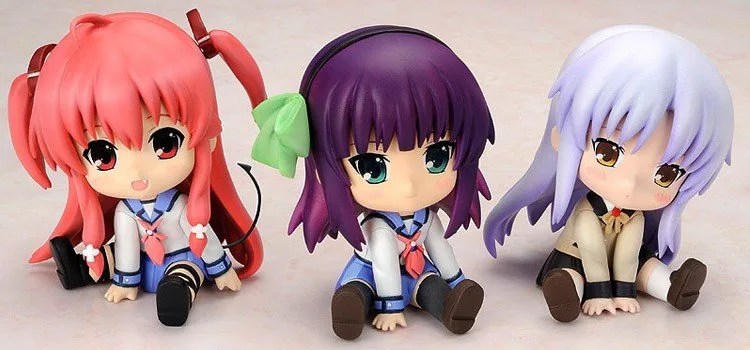
Animes, along with mangas, games, and books of the same style, generate billions of dollars in the market every year. Thanks to this, numerous products are released, such as clothing, toys, cards, action figures, etc.
Animes can even generate money through shows and audio CD sales; just notice that every anime receives an opening and ending sung by bands that release their albums and soundtracks.
Thanks to Otaku, thousands of people benefit from the sales of anime, manga, and other products. Billboards, stores, TV commercials, album covers of singers, all of this generates profit, all thanks to Japanese cartoons. Japan is surrounded by all this type of media, especially in the Akihabara district.
The media worldwide is influenced by Japanese animations and creations. Various mangas with licenses from the animations are released to the West, dubbed into English, thus also generating the creation of products for sales, showing that this does not only happen in Japan.
We also recommend reading:
- Akihabara Guide – The Otaku and Technological Center of Japan
- Guide for Anime Addicts – What does Otaku mean?
- Discover 6 Otaku Neighborhoods in Japan

Japanese Cartoons in Brazil
Animes have become quite popular among young Brazilians. At the same time, it is something questionable among some young people and adults. Brazil is dominated by a poor sense of machismo, where some young people consider watching cartoons to be childish, unable to understand or like animations, or still complain about reading subtitles.
In the case of adults, there are some overprotective or misinformed religious parents. They think that all animes are like Yugioh, Dragon Ball, and Naruto, full of violence and occultism. They completely forget that there are genres.
Read also: The controversy of religions thinking that everything from Japan is from the devil!
Unfortunately, Brazil has been poorly influenced by animes; historically, the only animations received in Brazil were discriminated against by adult society. Our country has only received shounen action animes with supernatural or unrealistic content to this day.
Currently, there are no studios that release animations in our language; one of the last famous works released in Portuguese was “Full Metal Alchemist Brotherhood.” Fortunately, mangas have gained popularity thanks to Panini, JBC, and New POP, and Netflix has brought some dubbed animes to the West.
Animes are a great source of knowledge and culture about Japan. By watching them, it is possible to learn many things, including the language. Animes can in no way be considered something for children, as the target audience is young people and adults.
They also cannot be considered something unique; anime is completely diversified, so we cannot refer to animes as a whole; there are genres, adaptations, etc. If you haven’t watched any anime yet, give it a chance; you might be surprised. Don’t forget to leave your comment and opinion below.

Community
Comments
0 comments
There are no published comments in this language yet.
Send comment